Moroccan Olive Oil: Quality, Terroir, and Production
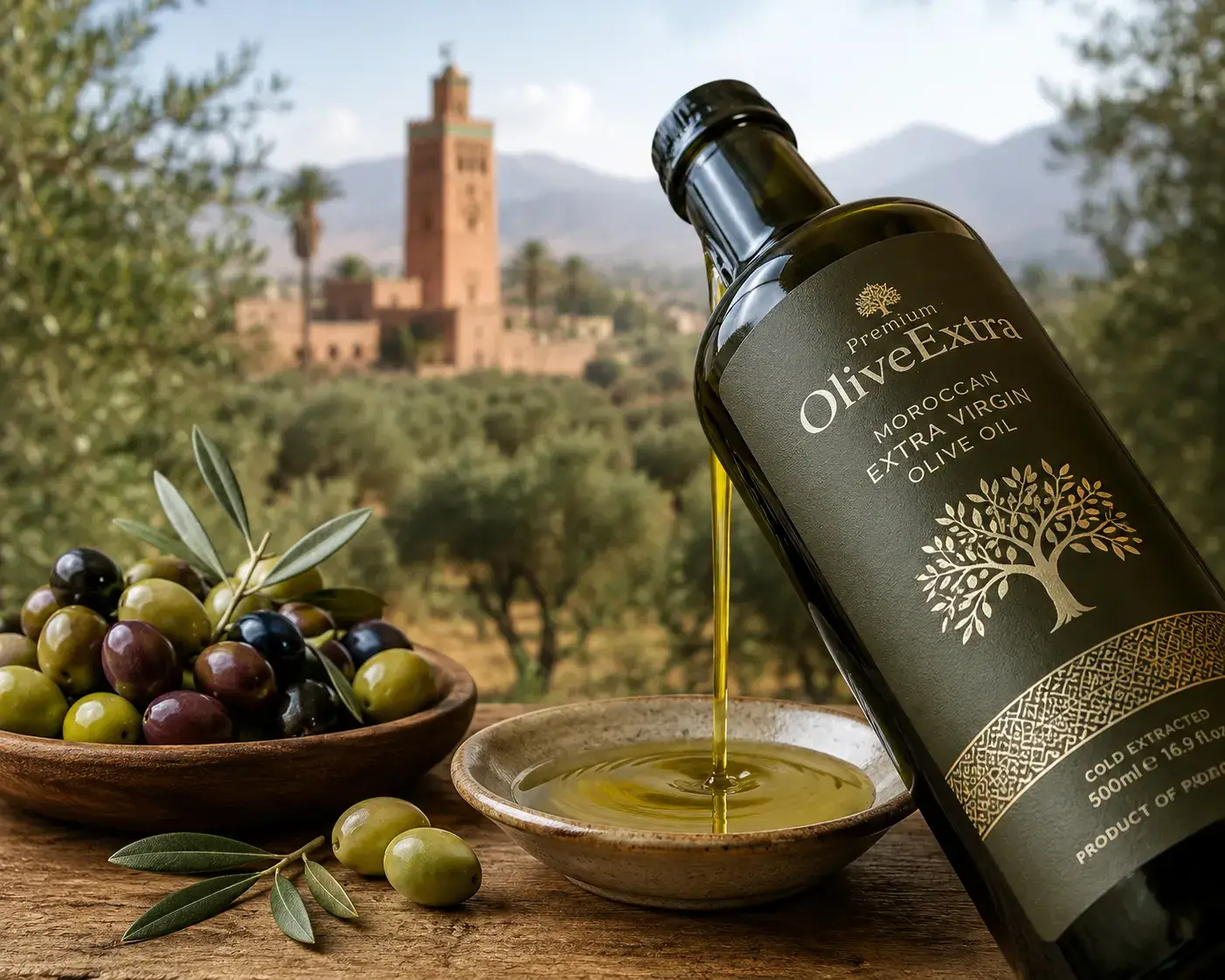
Introduction to Moroccan Olive Oil
Moroccan olive oil, produced in the northwestern part of Africa, is gaining recognition for its distinct flavor profiles and high quality. The focus keyword, Moroccan olive oil, will be explored in this article, highlighting its unique characteristics, production processes, and the regions that contribute to its excellence.
Understanding Terroir in Moroccan Olive Oil Production
The concept of terroir plays a crucial role in defining the quality and flavor of olive oil. In Morocco, the major olive-producing regions include Kelaa des Sraghna and the Atlas Mountains. These areas offer a diverse range of climates and soils, which significantly impact the final product.
| Region | Climate | Soil |
|---|---|---|
| Kelaa des Sraghna | Mediterranean with hot summers | Clay and limestone |
| Atlas Mountains | Temperate with cold winters | Mountainous terrain with varied soils |
Technical Aspects of Olive Oil Extraction
The extraction process of olive oil is critical for preserving its chemical composition, including polyphenols and maintaining an acidity level of less than 0.8%. Early vs. late harvest also influences the flavor profile and quality of the oil.
The Picholine Marocaine variety, commonly found in Morocco, is valued for its robust flavor and high polyphenol content, making it an ideal choice for high-quality olive oil production.
Harvest Timelines and Flavor Profiles
The timing of the harvest affects the flavor and quality of the olive oil. Generally, early harvests produce oils with more pronounced peppery and grassy notes, while late harvests yield smoother, fruitier flavors.
| Harvest Time | Flavor Profile |
|---|---|
| Early Harvest | Peppery, grassy, and robust |
| Late Harvest | Smooth, fruity, and mild |
Chemical Composition and Health Benefits
Olives and olive oil have been studied for their potential health benefits, including reducing the risk of heart disease and certain cancers, due to their high levels of monounsaturated fats and antioxidants. For more information on the health benefits of olive oil, visit medical studies and nutrition websites.
Choosing the Right Moroccan Olive Oil
For health-conscious consumers and gourmet chefs, selecting a high-quality Moroccan olive oil involves understanding the production process, terroir, and chemical composition. It's also essential to consider the certification for exporting Moroccan olive oil and why Moroccan olive oil is the best choice for various applications.
- Look for oils with less than 0.8% acidity.
- Consider the flavor profile that suits your needs, whether it's for cooking or as a finishing oil.
- Understand the importance of sourcing Moroccan olive oil for dropshipping and wholesale purposes.
Conclusion and Further Reading
For those interested in learning more about Moroccan olive oil and its applications, there are numerous resources available. When looking for a reliable supplier, consider private labeling options for customized products. OliveExtra sources the finest oils from these rich Moroccan regions, including Kelaa des Sraghna, and offers them for retail and wholesale/dropshipping inquiries. For more information, please contact us.